



What are the characteristics of a white wax machine
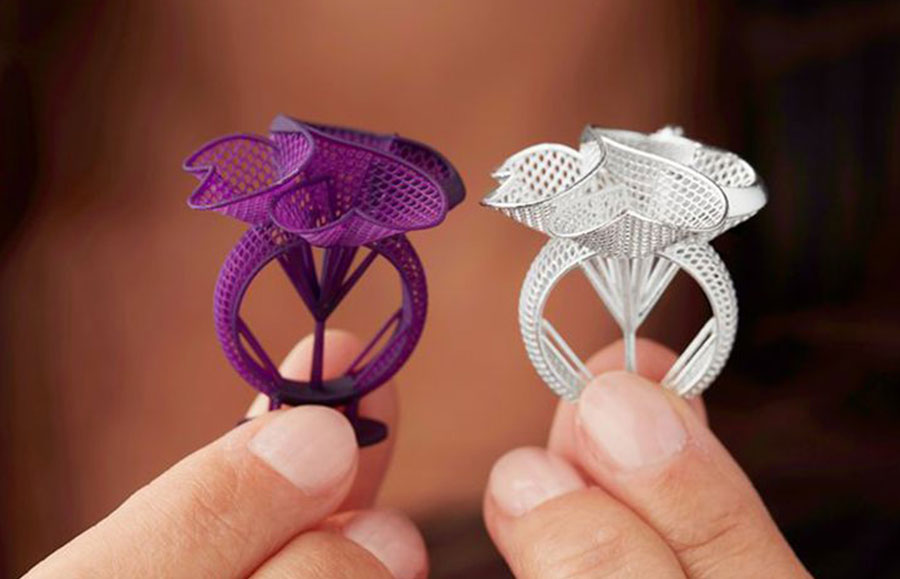
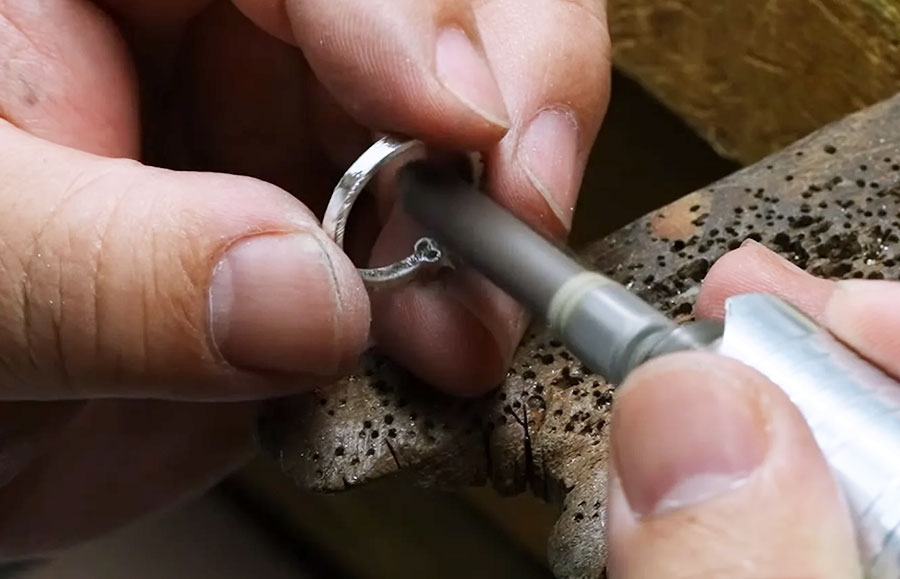
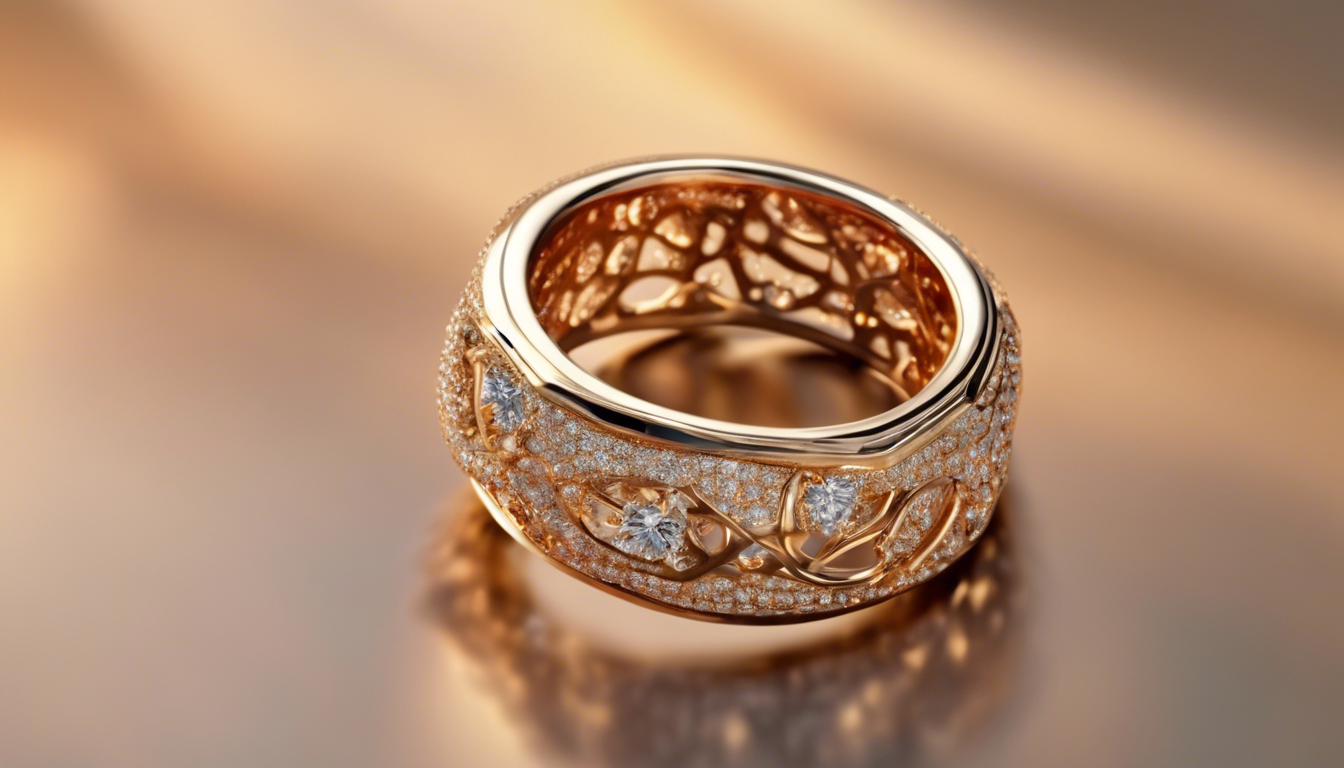
It is designed to produce highly detailed and precise wax models, which is crucial for applications like jewelry making or dental prosthetics.2. Stability and Reliability
It operates smoothly with minimal downtime, ensuring consistent output quality.3. User-Friendly Interface
It typically features an intuitive control panel or software that makes it easy for operators to set parameters and monitor the process.4. Versatility
It can handle various types of wax materials and can be used for different shapes and sizes of models, making it suitable for a wide range of industries.5. Efficiency
It is capable of producing wax models quickly, which helps improve productivity in manufacturing processes.




Frequently Asked Questions
Q: What are the main features of a white wax machine?
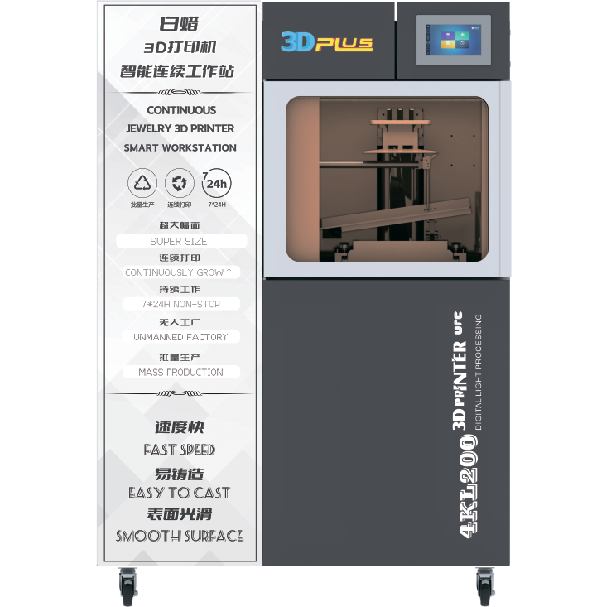
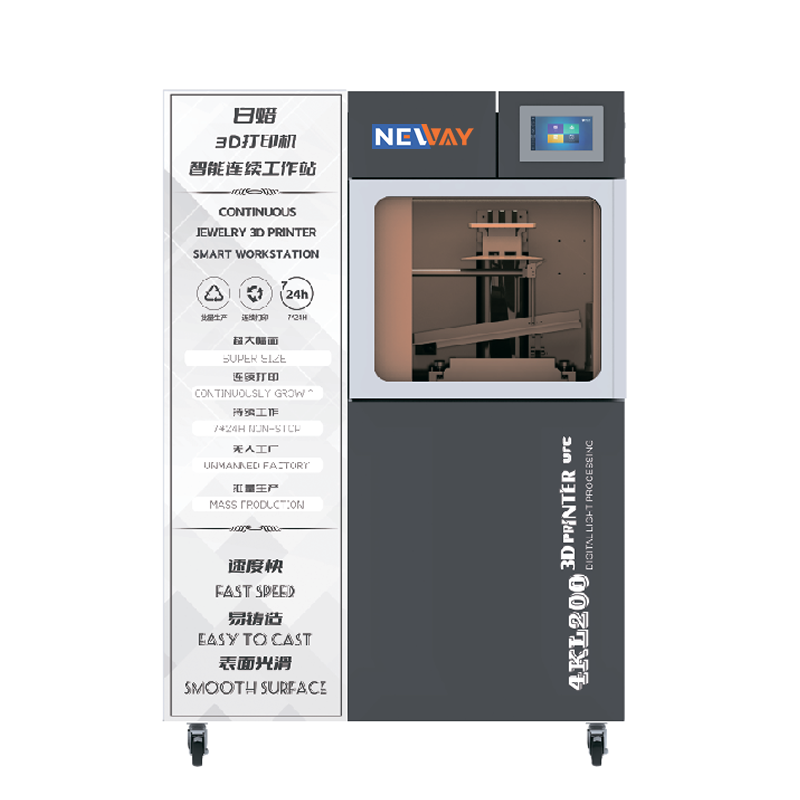
A: A white wax 3D printer combines a 405 nm light engine (LCD or DLP), a stable build plate, a vat system and matched white wax resin. Key specs include 38-50 µm X/Y resolution, adjustable Z layers of 10-25 µm, and clean burnout for investment casting.
Q: Why is the wax color white?
A: White wax patterns show surface defects and support marks far better than dark resins under magnification. This makes QC easier and helps jewelers catch flaws before investing, reducing casting rejects.
Q: What resolution should a white wax machine have?
A: Look for 38-50 µm X/Y precision and 10-25 µm adjustable Z layers for jewelry. Higher resolution captures filigree and stone seats; larger beds trade a little resolution for more rings per run.
Q: Can a white wax machine cast directly into metal?
A: The machine prints patterns; those patterns are then invested and burned out, and metal is cast into the empty mold. The white wax resin itself is designed to vanish cleanly during burnout.
Q: What size build plate do I need?
A: For rings and small jewelry a 96 x 54 x 100 mm class bed is enough; production houses benefit from larger beds such as 146 x 82 x 200 mm to nest multiple trees and lower labor per piece.
